Unfolding Solutions: A Guide to Bifold Door Repairs
Bifold doors, with their concertina-like style, offer a great mix of space-saving functionality and aesthetic appeal. Whether gracing a closet, dividing rooms, or opening up patios to the outdoors, these doors bring a special touch to any space. Their ability to nicely fold away, taking full advantage of gain access to and light, makes them a popular choice in modern homes and industrial settings alike. Nevertheless, like any moving part within a building, bifold doors are vulnerable to wear and tear gradually. From small hassles like sticking or squeaking to more considerable issues like drooping or damaged panels, issues can occur that disrupt their smooth operation and interfere with their intended purpose.
Understanding common bifold door problems and understanding how to resolve them is important for keeping their performance and longevity. Bow Bifold Door Handle Repairs aims to be your extensive guide to bifold door repairs. We'll explore the typical offenders behind bifold door breakdowns, explore DIY repair possibilities, and go over when it's best to call in the specialists. By equipping yourself with this understanding, you can ensure your bifold doors continue to operate flawlessly and enhance your living or working environment for years to come.
Common Bifold Door Problems: Identifying the Issues
Before you can embark on any repairs, it's necessary to properly detect the problem impacting your bifold doors. Acknowledging the signs and comprehending their potential causes will improve the repair procedure and avoid unnecessary work. Here are some of the most often encountered concerns with bifold doors:
Difficulty Opening or Closing: This is perhaps the most typical complaint. The door may feel stiff, withstand movement, or get stuck at specific points along its track. This can typically come from several elements, consisting of:
- Dirty or Obstructed Tracks: Dust, debris, and even small objects can build up in the tracks, preventing the smooth move of the rollers.
- Dry or Damaged Rollers: Rollers are vital for the uncomplicated motion of bifold doors. Absence of lubrication, wear and tear, or damage can cause them to stick or grind.
- Misalignment: If the door panels or track are misaligned, the doors may bind and struggle to open or close correctly.
- Blockages within the Doorway: Sometimes, the issue isn't with the door itself however with something blocking its path, like a carpet that has shifted or items positioned too near to the opening.
Drooping Doors: Over time, bifold doors can begin to sag, making them challenging to operate and possibly triggering them to scrape along the flooring or frame. This sagging is often attributable to:
- Loose Hinges: Hinges are essential for supporting the weight of the door panels. Loose hinges can lead to sagging and misalignment.
- Inadequate Support: If the door frame or track isn't providing sufficient assistance, the weight of the doors can trigger them to droop.
- Door Weight: In some cases, the doors themselves may be too heavy for the hardware, particularly if they are solid core or made from much heavier products.
Damaged Panels: Bifold door panels, specifically those made of thinner products like hollow-core wood or MDF, can be vulnerable to damage:
- Cracks and Dents: Impacts or unintentional force can lead to fractures or dents in the panels.
- Water Damage: In locations vulnerable to moisture, or in restrooms, panels can warp or swell due to water ingress.
- Surface Damage: Scratches, chips, or peeling veneer can diminish the door's look.
Hardware Issues: The various hardware parts of bifold doors are important for their function. Issues with these can cause operational troubles:
- Loose or Broken Hinges: As mentioned, loose hinges contribute to sagging, and damaged hinges can render the door unusable.
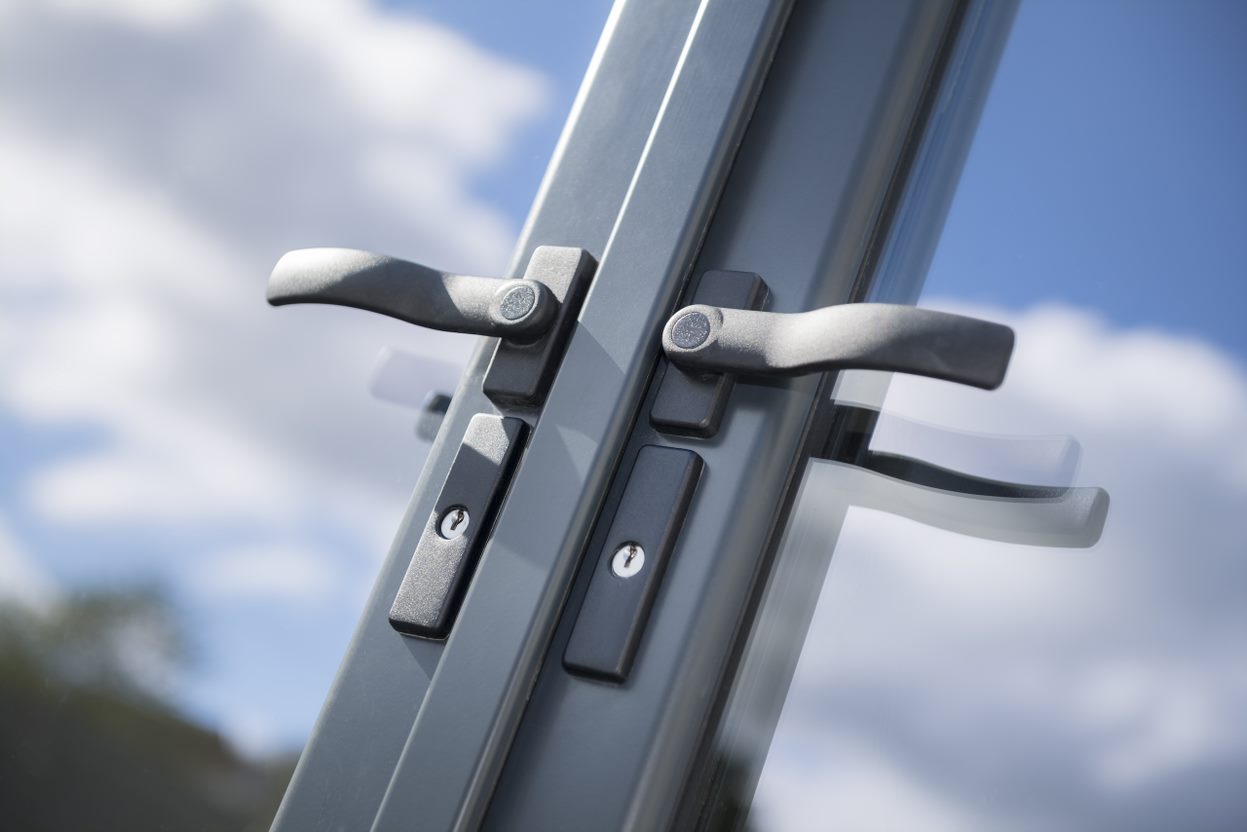
- Faulty Handles or Latches: Broken manages or locks can make it challenging to open, close, or secure the doors.
- Harmed Pivot Points: The pivot points where the doors fold are important for smooth motion. Damage or wear here can cause tightness and sticking.
Track Problems: The track is the structure upon which the bifold doors run. Issues here will directly affect door function:
- Bent or Damaged Track: Accidental effects or settling of the building can flex or harm the track, preventing roller movement.
- Misaligned Track: If the track is not properly set up or has actually moved, the doors will not run smoothly.
Gaps and Draughts: Bifold doors are created to close fairly snugly. Spaces or draughts indicate a problem:
- Misalignment: Misaligned panels may not meet effectively, producing spaces.
- Used Weather Stripping: Weather stripping around the door boundary helps seal gaps. If damaged or worn, it will stop working to supply an appropriate seal, leading to draughts and potentially increased sound.
Noise Issues: Bifold doors ought to run reasonably silently. Squeaking, grinding, or rattling sounds indicate friction or loose parts:
- Dry Rollers or Hinges: Lack of lubrication in rollers or hinges frequently leads to squeaking or grinding sounds.
- Loose Hardware: Loose screws or other hardware can cause rattling noises when the doors are moved.
Do it yourself vs. Professional Repair: Choosing the Right Approach
When you've detected the concern, the next step is to decide whether you can take on the repair yourself or if it's finest to hire an expert. The decision often depends upon a number of aspects:
DIY Repairs - Pros and Cons:
Pros:
- Cost-Effective: DIY repairs can save you money on labor expenses, frequently requiring just the expense of replacement parts or fundamental tools you may currently own.
- Benefit: You can frequently resolve minor repairs at your own rate and schedule, without waiting for a specialist consultation.
- Knowing Experience: DIY repairs can be a valuable knowing experience and offer you a higher understanding of how your bifold doors function.
Cons:
- Time Commitment: DIY repairs can be time-consuming, particularly if you are not familiar with the process.
- Possible for Mistakes: Incorrect repairs can get worse the problem or perhaps damage the doors further, possibly leading to more costly professional intervention later on.
- Tool Requirements: Certain repairs may require specific tools that you may not have.
- Security Concerns: Repairs including ladders, heavy doors, or power tools can present security risks if not managed properly.
Expert Repairs - Pros and Cons:
Pros:
- Expertise and Experience: Professionals have the understanding and experience to accurately detect and effectively repair a wide variety of bifold door problems.
- Efficiency: Professionals can usually complete repairs quickly and effectively, lessening interruption.
- Guarantees and Warranties: Reputable professionals typically provide guarantees or warranties on their work, offering assurance.
- Specialized Tools and Parts: Professionals have access to specialized tools and a wider variety of replacement parts if required.
Cons:
- Higher Cost: Professional repairs will inevitably be more expensive due to labor costs and prospective call-out fees.
- Arranging Inconvenience: You might need to schedule an appointment and await an expert to appear.
When to DIY vs. When to Call a Pro:
DIY Suitable For:
- Simple jobs like cleaning tracks and rollers.
- Lubricating hinges and rollers.
- Tightening up loose screws.
- Replacing easily available and standard hardware parts (rollers, manages).
- Small cosmetic repairs like retouching paint or filling small damages.
Specialist Recommended For:
- Complex issues like door or track misalignment that require precise modifications.
- Drooping door concerns that might include structural assistance or hinge replacements.
- Replacement of entire panels or doors, specifically if they are bespoke or require precise fitting.
- Repairs involving damage to the frame or structural parts.
- Any repair that feels beyond your ability level or comfort zone, especially those involving security issues.
Step-by-Step Repair Guides for Common Issues
While some repairs require professional expertise, numerous common bifold door problems can be resolved with a little DIY know-how. Here are detailed guides for taking on a few of the most frequent issues:
1. Addressing Sticking or Difficult Opening/Closing:
* ** Step 1: Inspect and Clean the Tracks. **.* Use a vacuum with a crevice tool or a brush to completely clean the leading and bottom tracks of any dust, debris, or blockages.* ** Step 2: Lubricate Rollers and Tracks. **.* Apply a silicone-based lubricant to the rollers and along the tracks. Prevent oil-based lubricants, as they can draw in dust.* Operate the doors several times to disperse the lubricant evenly.* ** Step 3: Inspect Rollers for Damage. **.* Visually check each roller for fractures, chips, or extreme wear.* If rollers are damaged, they will need to be replaced (see hardware replacement section below).* ** Step 4: Check for Obstructions. **.* Ensure nothing is physically blocking the door's course, inside or outside the doorway.2. Changing Worn or Damaged Rollers:
* ** Step 1: Identify Roller Type and Size. **.* Carefully get rid of a sample roller to determine the type (e.g., top-hung, bottom-roller) and its measurements.* ** Step 2: Purchase Replacement Rollers. **.* Visit a hardware store or online provider to acquire coordinating replacement rollers.* ** Step 3: Remove Old Rollers. **.* Depending on the style, you might need to loosen or unclip the old rollers. Describe your door's setup instructions if available.* ** Step 4: Install New Rollers. **.* Carefully insert and secure the new rollers in place, guaranteeing they are appropriately aligned and move easily.* ** Step 5: Test Door Operation. **.* Gently run the doors to examine if the new rollers have fixed the sticking issue. Oil as required.3. Tightening Loose Hinges:
* ** Step 1: Identify Loose Hinges. **.* Visually check all hinges connecting the door panels for looseness or movement.* ** Step 2: Tighten Screws. **.* Use a screwdriver of the correct size to thoroughly tighten any loose screws on the hinges.* Avoid over-tightening, which can remove the screw holes.* ** Step 3: Consider Longer Screws (if required). **.* If screws continuously loosen, it might be needed to replace them with somewhat longer screws to get a better grip in the door frame or panel.* ** Step 4: Test Door Operation. **.* Check if tightening up the hinges has actually improved door positioning and lowered sagging.Preventive Maintenance: Keeping Your Bifold Doors in Top Shape
Routine upkeep is essential to preventing numerous bifold door issues and extending their lifespan. Incorporating these simple upkeep practices can conserve you time and money in the long run:
- Regular Cleaning: Clean the tracks and door panels routinely (at least month-to-month, or more frequently in dusty environments) to avoid debris accumulation.
- Lubrication: Lubricate rollers and hinges with silicone lubricant every few months to guarantee smooth and peaceful operation.
- Hardware Checks: Periodically check all screws and hardware parts for tightness and tighten as needed.
- Visual Inspections: Regularly examine doors for signs of damage, wear, or misalignment. Address small issues promptly before they escalate.
- Mild Operation: Avoid slamming or forcing the doors, as this can damage hardware and cause misalignment.
Expense Considerations for Bifold Door Repair
The expense of bifold door repair can vary extensively depending on the nature of the issue, whether you DIY or employ an expert, and the cost of parts.
DIY Repair Costs:
- Primarily material expenses, consisting of:
- Replacement rollers, hinges, manages: Prices vary from a couple of dollars for specific components to sets costing ₤ 20- ₤ 50 or more.
- Lubricant, cleaning up materials: Relatively economical.
- Tools (if you require to purchase any): Basic screwdrivers are affordable; specialized tools may add to the cost.
Expert Repair Costs:
- Include labor expenses in addition to parts.
- Per hour rates for handymen or door repair professionals can range from ₤ 50 to ₤ 100 or more, depending upon area and complexity.
- Call-out charges might apply.
- More intricate repairs (e.g., panel replacement, significant realignment) will naturally be more expensive.
Elements Influencing Repair Costs:
- Complexity of the Problem: Simple repairs like cleansing and lubrication will be the least expensive. Major repairs or replacements will be more costly.
- Do it yourself vs. Professional: DIY is often less expensive for standard repairs.
- Parts and Materials: The expense of replacement parts will vary depending on the type and quality.
- Area: Labor expenses can change based on your geographical location.
- Emergency situation Repairs: Emergency or after-hours repairs may incur additional charges.
Bifold doors are an important property to any property, providing functionality and design. By understanding typical issues, knowing when to DIY and when to look for professional assistance, and practicing routine upkeep, you can keep your bifold doors operating efficiently and looking their finest for several years to come. Resolving minor problems quickly is constantly better than disregarding them till they become major, more expensive headaches. Make the effort to comprehend your bifold doors, and they will continue to unfold benefit and beauty in your space.
Frequently Asked Questions: Bifold Door Repair
Q: How do I understand if I can DIY a bifold door repair or if I require to call a professional?
A: Start by examining the problem. If it's a basic concern like sticking doors that might be resolved with cleansing and lubrication, or replacing a noticeable and easily accessible roller or deal with, DIY might be ideal. If the problem is structural, involves misalignment, panel replacement, or anything that feels beyond your ability level, it's absolutely best to call an expert. Consider your convenience level with DIY tasks and focus on safety.
Q: How much does bifold door repair usually cost?
A: DIY repairs can cost just a few dollars for lube or replacement rollers. Expert repairs can range from ₤ 50 to numerous hundred dollars depending upon the complexity of the issue, labor rates, and parts needed. Get quotes from multiple specialists for larger repairs to compare costs.
Q: What tools are usually needed for basic bifold door repairs?
A: For most fundamental repairs, you'll need:
- Screwdrivers (Phillips and flathead in various sizes)
- Vacuum cleaner with crevice tool
- Brush or tooth brush (for cleaning tracks)
- Silicone-based lube
- Possibly pliers or wrenches, depending on hardware.
- Shatterproof glass and gloves are always suggested.
Q: How frequently should I lubricate my bifold doors?
A: It's normally recommended to lube rollers and hinges every 3-6 months, or more frequently if you observe any squeaking, sticking, or stiffness in operation.
Q: Can I replace a bifold door panel myself?
A: Replacing a single bifold door panel can be complicated, especially if it needs accurate matching of size, style, and hardware. It may be DIY-able if you are comfortable with woodworking and have the needed tools and abilities. Nevertheless, it's often suggested to look for expert assistance for panel replacements, especially if the doors are customized or need exact fitting within the track system. Professionals can likewise ensure appropriate positioning and prevent more concerns after panel replacement.